
Transform Your Supply Chain Planning and Marketing Strategies with Google Cloud and SAP Integration
Transform Your Supply Chain Planning and Marketing Strategies with Google Cloud and SAP Integration

A living model of your business that captures how data, rules, and relationships connect—so every plan and decision reflects how your supply chain truly operates.
← Part of the Planning in a Box Platform
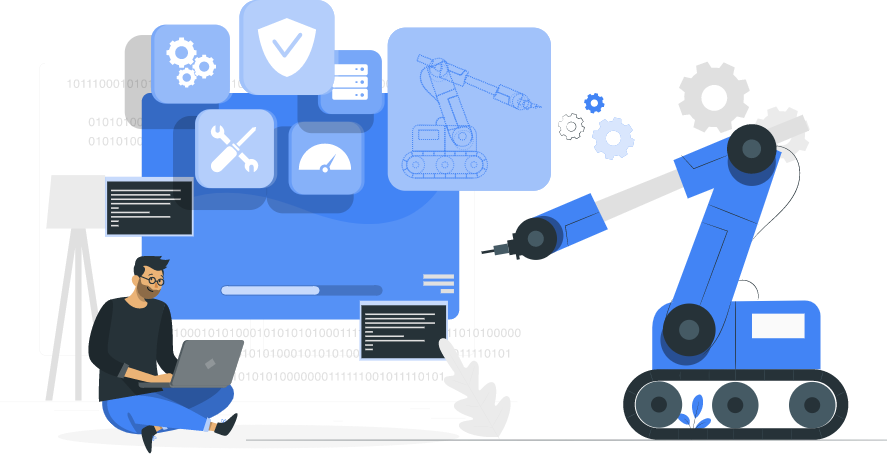

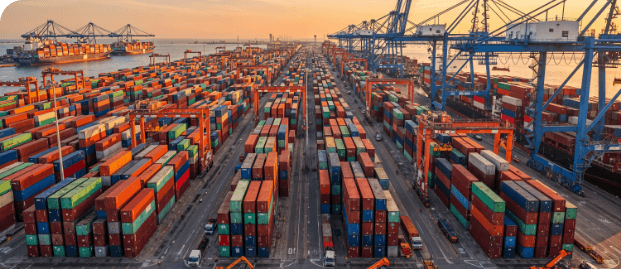


Semantic Definitions
Standard definitions for customers, products, suppliers, locations, and more—creating a common language across systems and teams.
Business Rules
The logic that governs behavior across the network, including lead times, capacities, sourcing rules, and prioritization policies.
Data Catalog & Relationships
A structured map of entities, attributes, and relationships, showing how changes flow across the supply chain.

Retail
product hierarchies

Manufacturing
BOMs and constraints

Logistics
and fulfillment rules

Context-aware AI decisions
Less manual rule maintenance
Consistent planning across functions
Faster onboarding of models and agents
Plans that respect real constraints
More human-like reasoning from Pi.Agent